
Views: 0 Author: Site Editor Publish Time: 2026-02-12 Origin: Site


Do your pillows look flat and lifeless after some use? You’re not alone! Many people struggle with keeping their decorative pillows looking fresh and fluffy.
In this article, we’ll explore why pillow inserts are crucial for both comfort and aesthetics. You’ll learn how to prevent them from losing their plumpness and keep them looking full with simple, practical tips.
Selecting the right pillow insert size is crucial for both the visual appeal and comfort of your pillows. A pillow insert that is too small will result in sagging corners and a flat, deflated look. An insert that is too large can cause the pillow to become too firm or create bulges, which detracts from the overall aesthetic. The goal is to achieve a full, plush look without compromising comfort. The right size pillow insert will keep your pillow looking fresh, while also providing the necessary support for relaxation.
To achieve the desired fullness, opt for a pillow insert that is 2-4 inches larger than your pillow cover. For example, for an 18x18 inch cover, choose a 20x20 inch insert. This extra size ensures that the pillow remains plump and the corners are fully filled. A larger insert prevents the pillow from becoming flat or deflated over time, giving it a luxurious, overstuffed appearance.
Fabric Type | Recommended Insert Size | Reason |
Stiff fabrics (e.g., linen, cotton) | Slightly smaller insert (1-2 inches larger than cover) | Stiffer fabrics may feel rigid with larger inserts, affecting comfort. |
Stretchy fabrics (e.g., velvet, jersey) | Larger insert (2-4 inches larger than cover) | Stretchy fabrics allow larger inserts to fill the cover more comfortably. |
The type of fabric used in the pillow cover plays a significant role in choosing the appropriate insert size. Stiff fabrics like linen or cotton may require a slightly smaller insert to prevent the pillow from feeling too rigid or uncomfortable. Stretchy fabrics, such as velvet or jersey, can accommodate a larger insert, allowing it to expand and fill out the pillow cover more easily. Always consider the fabric's elasticity to ensure a comfortable fit without causing the pillow to feel too firm or too loose.
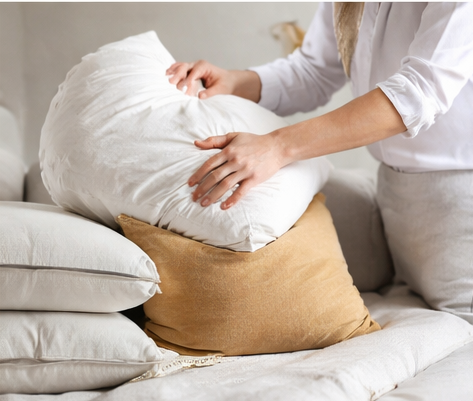
Fluffing your pillow inserts regularly is essential to maintaining their shape and comfort. Over time, the fill inside the pillow can become compressed, causing the pillow to lose its fluff and appear flat. Regular fluffing helps redistribute the fill, keeping the pillow looking full and soft. This simple maintenance routine also prolongs the life of your pillow insert by preventing the fill from becoming clumpy or uneven.
There are several effective techniques to fluff your pillow inserts:
● Corner Clap: Hold the diagonal corners of the pillow and clap them together gently to redistribute the fill.
● Accordion Method: Grip opposite sides of the pillow and gently pull apart and press them back together in a push-and-pull motion.
● Gentle Punch: Lightly punch the surface of the pillow to break up any clumps and redistribute the fill evenly.
These techniques are simple and effective for restoring your pillow’s fullness and ensuring an even distribution of the fill material.
While fluffing is crucial for maintaining the appearance of many pillow types, not all materials require daily attention. Polyester-filled pillows tend to hold their shape better than natural fills like down. Over-fluffing synthetic pillows can sometimes cause unnecessary wear. For polyester-filled pillows, fluffing once every few days is often sufficient to maintain their shape, while natural fills may require daily attention to ensure they remain plump and comfortable.
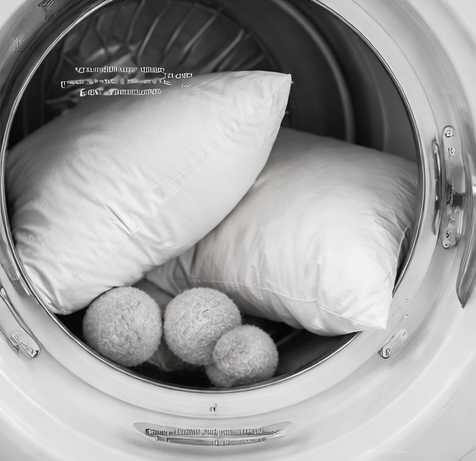
The dryer ball method uses the mechanical action of the balls bouncing around inside the dryer to agitate and break up clumps of fill inside your pillow inserts. As the balls tumble with the pillow, they help to fluff up the fibers, creating air pockets and restoring loft. Dryer balls are typically made of materials like rubber or wool, which allow them to gently separate the filling, keeping it evenly distributed. This process mimics the action of hand fluffing, but in a faster, more efficient way, and without the need for manual effort. This is especially effective for down or polyester-filled pillows, which can sometimes lose their shape after washing.
While the dryer ball method is quick and effective, natural drying methods, such as laying your pillows in direct sunlight, also work well for fluffing. Sunlight not only helps to restore the loft by allowing the fibers to expand naturally but also reduces moisture that may cause mildew or unpleasant odors. On the other hand, the dryer ball method is ideal when you need a quicker solution or if you're dealing with particularly compacted pillows that need more agitation. The key difference lies in time: the dryer ball method provides rapid results, while sun-drying offers a gentler, more natural fluffing process that might take longer.
Method | When to Use |
Dryer Ball Method | When you need a quick fluff after washing or to restore loft in synthetic-filled pillows. |
Sunlight Drying | When you want a natural, more gentle method, and when you're not in a rush. It’s also ideal for air-drying. |
The dryer can be an effective tool for fluffing pillows, but it’s important to consider the material of your pillow insert. For polyester-filled pillows, the dryer works well, as polyester tends to hold its shape better with moderate agitation. However, down-filled pillows require more delicate handling. High heat in the dryer can damage the natural fibers, causing them to break down or lose their softness. If you use the dryer for down-filled pillows, it's essential to use a low heat setting to prevent damage, and dryer balls can help maintain the integrity of the fill.
Pillow Material | Dryer Use | Heat Setting | Important Notes |
Polyester | Works effectively in the dryer | Medium heat | Restores loft without causing damage. |
Down | Works with caution in the dryer | Low heat setting | High heat can break down fibers. Use dryer balls to preserve fill integrity. |
Moisture is one of the main culprits in reducing the lifespan and fluffiness of your pillow inserts. Over time, moisture from humidity, sweat, or oils from your skin can be absorbed into the pillow filling. This weight from the absorbed moisture causes the fibers to compress, leading to a flat and lifeless pillow. Furthermore, trapped moisture can cause mold or mildew to form, further damaging the pillow material. Preventing moisture buildup is key to keeping your pillows full, fluffy, and hygienic.
Breathable pillow protectors are an essential investment in prolonging the life of your pillow inserts. These protectors allow air to circulate while blocking moisture, dust, and oils from seeping into the pillow filling. By using a breathable cover, you create a protective layer that reduces the risk of moisture absorption, thereby helping your pillow retain its plumpness and shape for a longer period. Additionally, these covers help maintain cleanliness and hygiene, ensuring that your pillows stay fresh and free from allergens.
● Moisture protection: A breathable protector prevents moisture from entering the pillow, keeping it fluffy and fresh.
● Hygiene benefits: Protectors also prevent dust, oils, and allergens from entering the pillow.
A common mistake many people make is storing pillows in plastic or non-breathable covers. While these may seem like a good option for protecting the pillow, they actually trap moisture inside, preventing the pillow from airing out properly. Over time, the lack of ventilation leads to compressed fibers and an unpleasant musty smell. It's essential to use breathable materials like cotton or polyester fabric to allow your pillow inserts to stay fresh, dry, and fluffy.
Airing out your pillows regularly and giving them a "sunbath" is an effective way to prevent moisture buildup and keep your pillow inserts fresh. Simply take the pillows outside on a dry, sunny day and allow them to rest in the sunlight for a few hours. The sun's heat helps evaporate any trapped moisture, while the fresh air helps fluff the pillow fibers. This natural method is gentle and prevents the breakdown of the pillow material caused by excess moisture.
● Sunbathing pillows: Letting your pillows air out in the sun helps preserve their fluffiness and remove moisture.
● Frequent airing: Regularly fluffing and airing out your pillows ensures they stay dry and full, preventing long-term damage from moisture.
Rotating your pillows regularly is one of the simplest and most effective ways to ensure they remain plump and maintain their shape. Pillows that are used consistently in the same position will begin to wear unevenly, with the areas that are most frequently compressed losing their fullness. By rotating your pillows every few weeks, you help distribute the pressure more evenly across the insert. This simple practice can prolong the life of your pillow and help preserve its loft, ensuring it continues to look and feel fresh.
The taco method involves gently folding your pillow insert in half before inserting it into the pillow cover. This technique not only helps avoid putting unnecessary strain on the zipper but also ensures that the insert expands evenly when fully placed inside the cover. By folding the pillow, you avoid forcing it into a tight cover, which could damage both the pillow and the fabric. This method creates a fuller, more uniform look, as the filling is better distributed and the corners are fully packed.
Signs Rotation Isn't Enough | Solution |
Pillow remains flat after fluffing and rotation | Consider using a larger insert to fill out the cover more effectively |
The pillow feels uneven or misshapen | Opt for a new pillow with higher-quality filling that retains its shape |
Pillow insert material has lost its loft or resilience | Replace with a fresh insert that provides better support and maintains shape over time |
Selecting the right pillow insert size is crucial for both comfort and appearance. For a fuller, more plush look, choose an insert 2-4 inches larger than the pillow cover. For example, an 18x18 pillow cover pairs best with a 20x20 insert. A larger insert ensures the pillow is well-filled and avoids sagging corners. On the other hand, if you prefer a more structured, streamlined look, a closer-fitting insert may be more appropriate. The key is to balance the pillow’s aesthetic with the desired firmness.
Fluffing your pillow inserts regularly helps maintain their shape, but it’s important to avoid over-stretching the fabric. Instead, gently manipulate the pillow to redistribute the filling. Techniques like the corner clap or accordion method work well to break up clumps without causing fabric damage. Over-fluffing can weaken delicate fabrics, such as linen or velvet, and cause the stitching to loosen. Light, repeated fluffing will keep the pillow looking fresh and full without unnecessary wear.
Synthetic-filled pillows, such as those with polyester inserts, can be sensitive to high heat. High temperatures may cause the fibers to shrink or even melt, compromising the pillow’s shape. Use a low to medium heat setting when fluffing synthetic pillows in the dryer. To help maintain fluffiness without heat damage, consider adding dryer balls to gently agitate the pillow and prevent clumping. This method ensures the fibers remain intact and the pillow retains its fullness.
After inserting the pillow insert into the cover, press down on the corners to ensure the filling is evenly distributed. This technique helps avoid lumps and ensures that the pillow fills out the cover evenly. Avoid forcing the insert into the cover, as this can cause uneven distribution of the fill and lead to a misshapen pillow. Gently massage the corners to distribute the filling properly, ensuring a smooth, plump appearance that lasts longer.
To keep your decorative pillow inserts plump and fluffy, regular fluffing, proper sizing, and the right maintenance methods are essential. Choosing the right pillow insert size ensures comfort and appearance. Dongguan Yuexin Industrial Co., Ltd. offers high-quality pillow inserts designed to maintain loft and freshness. With their durable products, your pillows will stay full and inviting for years to come.
A: A pillow insert provides support and maintains shape, making it crucial for high-quality products like cushions and bedding in industrial settings. It helps ensure durability and comfort while preserving the aesthetic appeal.
A: Choosing the right pillow insert size involves considering the dimensions of the pillow cover and the desired fullness. For optimal performance, the insert should be 2-4 inches larger than the cover to prevent flattening and enhance longevity.
A: Maintenance costs for pillow inserts typically involve fluffing, occasional replacement, and proper storage. Regular rotation and careful handling can extend the insert’s lifespan and minimize replacement costs over time.
A: The material of the pillow insert affects its resilience and comfort. Polyester inserts are cost-effective and durable for mass production, while down-filled inserts provide superior softness but require more careful handling and higher maintenance.
A: Synthetic pillow inserts are cost-effective but may lose loft more quickly than natural materials. They also tend to flatten under heavy use and require regular fluffing to maintain their appearance.


