
Views: 0 Author: Site Editor Publish Time: 2026-02-06 Origin: Site


Artificial snow is essential for winter sports, ensuring reliable snow coverage when nature doesn't cooperate. But, does it melt, and how does it compare to natural snow in this regard? In this article, we’ll explore the properties of artificial snow, how it’s made, and the key factors that influence its melting. You’ll also learn how this snow behaves in various conditions, offering a unique perspective on how it impacts winter sports and entertainment industries.
Artificial snow is made by spraying water through snow guns, creating tiny droplets that freeze in cold air and form small ice crystals. While both artificial and natural snow are made of water and air, artificial snow has a denser structure, making it more compact. This difference in structure explains why artificial snow melts more slowly than natural snow. Below is a comparison of the two:
Feature | Natural Snow | Artificial Snow |
Composition | Water vapor crystallized on dust particles | Water droplets frozen by snow guns |
Crystal Structure | Branched and light | Small, compact ice grains |
Density | Low (light and fluffy) | High (dense and more compact) |
Melting Rate | Faster, due to lighter structure | Slower, due to denser structure |
By understanding these differences, it’s clear that artificial snow tends to be more resilient under warmer temperatures.
Artificial snowmaking depends heavily on weather conditions. The ideal temperatures for producing artificial snow are typically below -4°C (25°F). However, with the right equipment, artificial snow can even be made when temperatures are close to freezing. The snowmaking process involves water being pressurized through snow machines, which converts it into fine droplets. These droplets freeze in the cold air, and by the time they hit the ground, they’ve already formed small ice crystals.
Key points about snow production:
● Cold, dry air is essential for effective snowmaking.
● Temperature below freezing is preferred for optimal results.
● Machines atomize water and help control the freezing process.
Artificial snow, unlike natural snow, doesn’t rely on complex weather systems. It’s engineered to withstand higher temperatures, offering ski resorts a stable snow base throughout the season.
Like natural snow, artificial snow is made up of ice crystals, which are simply frozen water. When temperatures rise, the ice melts and turns into liquid water. The process of melting occurs when heat is added to the ice, causing the solid structure to break down. Artificial snow melts in the same way as natural snow, but its melting rate can be different due to its structure.
The melting rate of artificial snow depends on various factors, such as temperature, sunlight, and humidity. In general, artificial snow melts more slowly than natural snow, especially when it’s compacted or stored in piles on ski slopes. A study on ski resorts found that artificial snow can last 2 to 4 weeks longer than natural snow before it completely melts. This extended durability is especially useful for ski resorts in regions with fluctuating winter temperatures.
The table below summarizes the key factors affecting the melting rate of artificial snow:
Factor | Effect on Melting |
Sunlight exposure | Snow in direct sunlight melts faster. |
Ambient temperature | Higher temperatures lead to faster melting. |
Humidity | Lower humidity helps artificial snow last longer. |
The durability of artificial snow is impacted by both environmental conditions and human intervention. Ski resorts use snow grooming machines to maintain the consistency of the snow and compact it further, which slows down the melting process. Additionally, artificial snow is often stored in mounds or covered with protective layers to preserve it.
Important factors include:
● Snow grooming: Helps maintain snow structure and longevity.
● Temperature control: Keeping snow at low temperatures preserves it.
● Storage techniques: Proper storage can extend the snow’s lifespan.
One of the key differences between artificial and natural snow is the structure of the ice crystals. Artificial snow tends to be smaller and more compact, which reduces the surface area exposed to the environment. This compact structure results in a slower melting process compared to the larger, more fragile crystals of natural snow.
Natural snowflakes have a highly complex, branching structure, which makes them lighter and more porous. These larger crystals tend to melt more quickly because they contain more air and have a greater surface area.
Another factor that affects the melting rate is the thermal properties of artificial snow. Snow is often made at very low temperatures, which helps it resist melting once it’s on the ground. This "refrigerator" effect allows artificial snow to maintain its cold temperature for a longer period, even when ambient temperatures rise.
The lower production temperatures of artificial snow also mean that it is better at absorbing and retaining cold, which helps it last longer than natural snow in warmer conditions.
Below is a simplified comparison of the ice crystals and thermal properties:
Feature | Artificial Snow | Natural Snow |
Ice Crystal Structure | Smaller, compact, less surface area | Larger, more fragile crystals |
Thermal Properties | Lower production temperatures, longer-lasting cold | Higher vulnerability to warmth |
This structural difference helps artificial snow endure warmer conditions longer, making it ideal for areas where temperatures fluctuate.
Artificial snow is often stored in large mounds to preserve its coldness. These piles of snow can last for weeks, depending on the weather conditions. Resorts may also use snow fences or other barriers to shield stored snow from wind and sun exposure.
In addition to storing snow, ski resorts use specialized equipment to "groom" the snow on the slopes, which helps maintain its consistency and compactness. Grooming machines break up ice layers and re-compact the snow, creating a smoother and more durable surface for skiing.
The compact structure of artificial snow plays a major role in its longevity. It’s denser than natural snow, so there is less surface area exposed to the air. This reduces the rate at which the snow absorbs heat, and consequently, the snow melts more slowly. Additionally, artificial snow is often made at lower temperatures, giving it a further edge in resisting early melting.
Benefits of artificial snow’s longevity:
● Longer ski seasons: Resorts can rely on artificial snow for extended periods.
● Resilience to warm temperatures: Ideal for regions with fluctuating winter weather.
● Consistent snow coverage: Ensures skiing conditions are maintained despite unpredictable natural snowfall.
The longevity of artificial snow is influenced by environmental conditions and human intervention.
High temperatures, humidity, and direct sunlight accelerate melting, while cooler temperatures and dry conditions help preserve snow. Resorts at higher altitudes benefit from cooler climates, while lower-altitude resorts depend more on snowmaking and preservation techniques.
Human intervention, such as snow grooming, temperature control, and regular maintenance of snowmaking systems, plays a key role in prolonging artificial snow's lifespan. Grooming makes the snow denser and more durable, while proper maintenance ensures ideal conditions for snow production.
Below is a summary of the key factors:
Factor | Effect on Longevity |
High Temperature | Accelerates melting. |
Sunlight Exposure | Speeds up melting. |
Humidity | Increases melting rate. |
Cooler Temperature | Helps snow last longer. |
Altitude | Higher altitudes preserve snow due to cooler temperatures. |
Snow Grooming | Increases snow density, prolonging durability. |
Temperature Control | Maintains cold conditions to prevent premature melting. |
By managing both environmental factors and maintenance, ski resorts can extend the lifespan of artificial snow.
Artificial snow is not only essential for ski resorts but also has many applications across various industries. Its versatility allows it to be used for winter sports, entertainment, and even indoor activities. By understanding the different ways artificial snow is utilized, we can better appreciate its value beyond just ski slopes.
● Ski Resorts: Ensures consistent snow coverage for winter sports, even in areas with unpredictable snowfall.
● Winter Sports: Provides reliable conditions for skiing, snowboarding, and other snow-based activities.
● Theatrical & Movie Productions: Used to create realistic snow scenes with synthetic materials like plastic or polystyrene.
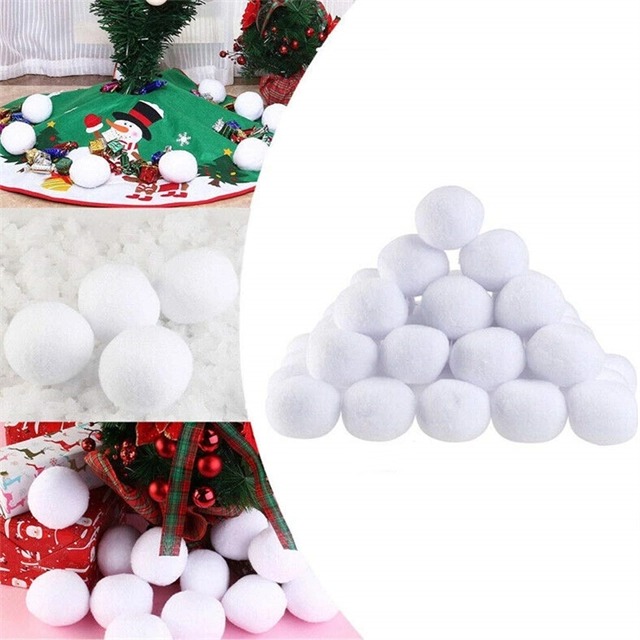
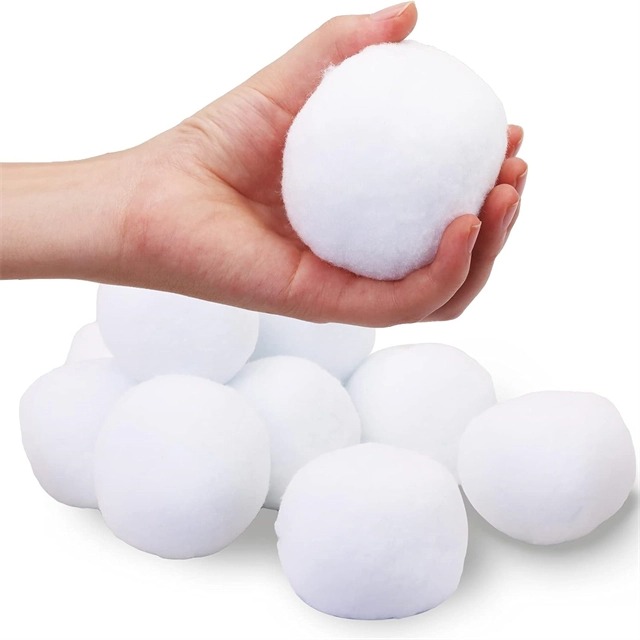
● Yuexin’s Synthetic Snowballs: Eco-friendly, non-toxic synthetic snow for indoor use, perfect for events and decorations.

Artificial snow melts more slowly than natural snow due to its denser structure and lower production temperatures. This makes it more resilient to warmer conditions, ensuring consistent coverage for ski resorts and events. Dongguan Yuexin Industrial Co., Ltd. offers realistic snow-like products for various applications, from ski resorts to movie sets. Their expertise in creating durable, artificial snow helps maintain winter conditions and adds value to both recreational and decorative uses.
A: Yes, artificial snow does melt, but it melts at a slower rate compared to natural snow due to its denser structure and smaller ice crystals.
A: Artificial snow melts more slowly because of its compact and dense structure. This reduces its exposure to heat, allowing it to stay intact longer.
A: Artificial snow is produced by spraying water through snow guns, which then freeze into small ice crystals as they fall through cold air, creating snow.
A: Yes, artificial snow is better able to withstand warm temperatures compared to natural snow due to its denser composition, allowing it to last longer.
A: Ski resorts maintain artificial snow by using snow grooming techniques to compact it, as well as storing snow in piles to preserve its cold temperature.
A: In addition to ski resorts, artificial snow is used in movie productions and festive events. Dongguan Yuexin Industrial Co., Ltd. provides high-quality synthetic snow products for these applications.


