
Views: 0 Author: Site Editor Publish Time: 2026-02-10 Origin: Site


Artificial snow has become a staple in winter sports and festive events worldwide. Whether for ski resorts, holiday displays, or movie sets, snowmaking machines ensure that winter magic can be created on demand. These machines are particularly important when natural snow is scarce or when specific conditions are required for events and activities.
But how do these machines work their magic? In this article, we will explore the science behind artificial snow, the technology used to generate it, and how companies like Yuexin play a vital role in making it all possible. You’ll learn how artificial snow machines function to create the perfect snowy atmosphere for any occasion.
Artificial snow mimics the formation of natural snow, but it’s created in a controlled, indoor or outdoor environment. Snow forms naturally when water vapor in the air freezes around tiny particles, creating ice crystals. The process is similar in artificial snowmaking but accelerated by machines that use specific techniques to recreate the freezing conditions.
The machines use high-pressure water mixed with compressed air to atomize water into tiny droplets. These droplets then freeze in the cold air, forming ice crystals that fall to the ground, resembling natural snowflakes.
While artificial snow mimics natural snow, there are key differences in their structure. Natural snowflakes are intricate, six-sided crystals, while artificial snow tends to be denser and made of smaller, rounder ice pellets. This difference is primarily due to the controlled environment where artificial snow is produced.
The density of artificial snow makes it ideal for creating a solid snow base on ski slopes. This is especially valuable in regions where natural snow may be insufficient.
Here’s a breakdown of how the two types of snow differ:
Feature | Natural Snow | Artificial Snow |
Shape | Six-sided, intricate crystalline structure | Smaller, rounder ice pellets |
Density | Lighter, fluffier | Denser, more compact |
Freezing Process | Occurs in the atmosphere naturally | Created through machines in controlled conditions |
Best Use | Ideal for natural snow environments | Best for ski slopes and controlled environments |
Durability | Less durable, can melt easily | More durable, especially for ski bases |
Artificial snow’s greater density and durability make it a perfect choice for creating reliable snow coverage, especially in ski resorts.
One of the primary mechanisms behind artificial snow machines is water atomization. The machine sprays water through high-pressure nozzles, breaking it down into fine droplets. These tiny water droplets are essential in the snowmaking process because they provide a larger surface area for freezing. The droplets then interact with nucleating agents—tiny ice crystals that act as seeds for the snowflakes. This creates the first stage of snowflake formation.
Once the water droplets are atomized, they are immediately exposed to the cold air, where they freeze quickly, transforming into small snowflakes. This rapid freezing process ensures that the snow created has the same light and fluffy characteristics of natural snow.
Compressed air is essential in snowmaking, helping to propel water droplets into the air for freezing. It ensures even distribution and proper snowflake formation. Here’s how it works:
● Propels Water Mist: Compressed air pushes water mist into the air, spreading it across a wider area.
● Increases Freezing Efficiency: It helps droplets reach the right height to freeze effectively.
● Enhances Snowflake Formation: The air breaks water into smaller droplets, improving snowflake creation.
● Ensures Consistency: Compressed air helps create even, high-quality snow coverage.
Without compressed air, snowflakes wouldn't form efficiently, and the process would be less effective.
Fan guns are large, efficient snowmaking machines designed to produce high volumes of snow. These machines use powerful fans to blow a fine mist of water into the cold air, where it freezes and falls to the ground. Fan guns are ideal for large-scale snow production, making them a common sight at ski resorts where covering vast areas with snow is a priority.
Snow lances are more compact and quieter than fan guns, making them ideal for use in smaller areas or locations where noise reduction is necessary. These machines rely on water pressure to push water through nozzles at the top, where gravity and the height of the machine give the water droplets time to freeze before hitting the ground. Snow lances are often used in locations with limited space or where fan guns would be too loud.
Type of Snow Machine | Description | Primary Use |
Fan Guns | Large, cannon-like devices that use powerful fans to blow a fine mist of water into the air. | Ski resorts and areas requiring large snow coverage. |
Snow Lances | Tall, quieter machines that rely on water pressure to push mist into the air, using gravity for freezing. | Smaller spaces or noise-sensitive areas. |
Snowmaking on a larger scale requires machines capable of producing significant volumes of snow. Ski resorts, for example, often deploy a combination of fan guns and snow lances to create a sufficient snow base for winter sports. Companies like Yuexin play a role by providing snow-related products and components that help snow machines operate efficiently.
The efficiency of snow production depends heavily on the temperature and humidity of the environment. The ideal temperature for making artificial snow is around -10°C (14°F), as this is cold enough for the mist of water droplets to freeze quickly. However, the wet-bulb temperature, which factors in both temperature and humidity, is just as important. The lower the humidity, the easier it is for the water droplets to freeze, making dry air essential for snowmaking.
Humidity affects the snowmaking process. High humidity makes it harder for water droplets to freeze, while dry air allows droplets to freeze quickly, producing better snow. In humid regions, snowmaking becomes tougher and requires more energy-efficient machines. Here's how dry air influences snowmaking:
Factor | High Humidity | Dry Air |
Freezing Efficiency | Slows freezing of water droplets | Helps water droplets freeze rapidly |
Snow Quality | Results in wet, slushy snow | Produces high-quality, fluffy snow |
Energy Requirements | Increases energy use due to slower freezing | Reduces energy consumption for snowmaking |
Challenges in Regions | More challenging for snowmaking | Ideal for efficient snow production |
Dry air makes snow production more efficient, while high humidity requires advanced technology and more energy.
Making snow in warmer climates is tough due to high temperatures and humidity. However, technological advances have made it possible even above freezing, as long as the air is dry enough. Here’s how these challenges are overcome:
● High Temperatures: Warm air slows down the freezing process, reducing snow production.
● Humidity: More moisture in the air makes it harder for snow to form.
● Innovative Snow Fluids: New snow fluids lower the freezing point, enabling snowmaking at higher temperatures.
● Improved Machines: Advances in machine design allow for efficient snowmaking in marginal conditions.
These innovations ensure snow can still be made in warmer climates.

Artificial snow is crucial for maintaining consistent ski conditions at resorts, particularly in regions where snowfall is unpredictable. Ski resorts rely on artificial snow to ensure that their slopes are ready for winter sports, even if natural snowfall is insufficient. This allows them to extend their seasons and provide reliable conditions for skiing, snowboarding, and other winter activities.
For winter sports enthusiasts, consistency and quality are paramount. Artificial snow helps create a reliable surface that can withstand the wear and tear of skiing and snowboarding. It provides a durable snow base that ensures a good ride, making it a preferred choice for ski resorts and snowboarding parks. By using snow machines, resorts can maintain the right snow texture and thickness, keeping athletes safe and ensuring an enjoyable experience.
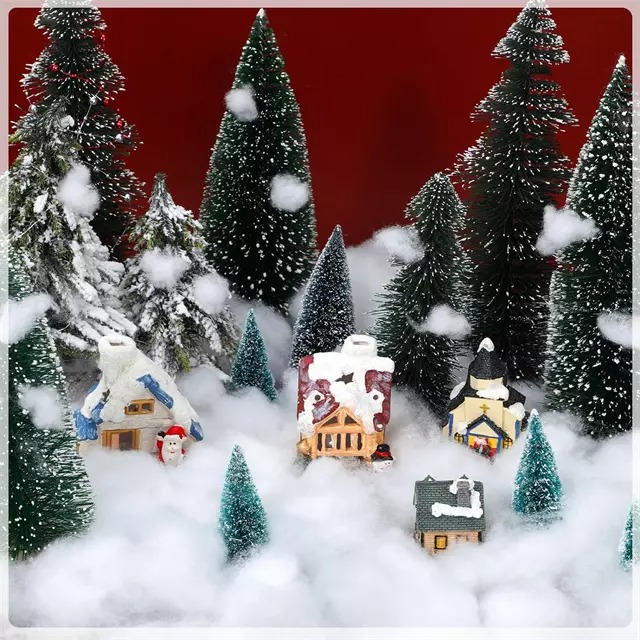
Artificial snow is widely used in a variety of settings, from theatrical productions to large-scale winter displays. It plays a key role in creating magical winter atmospheres for holiday events, films, and theme parks. Snow machines help simulate realistic snow scenes, adding authenticity to winter-themed performances. Whether it’s a holiday play, a festive movie scene, or an immersive winter experience, artificial snow ensures that the magic of winter comes to life. Beyond ski resorts, artificial snow is used to create winter wonderlands at theme parks, corporate events, and Christmas markets.
Here’s a quick overview of these applications:
Application | Example | Benefits |
Event and Stage Use | Theatrical plays, holiday performances, film sets | Adds realism and magic to winter scenes |
Creating Winter Wonderlands | Theme parks, corporate events, Christmas markets | Transforms spaces into immersive winter environments |
Yuexin enhances these experiences by providing snow-themed decorations, taking the winter ambiance to the next level. From simulated snowfalls in holiday displays to large-scale snowstorms at theme parks, artificial snow machines allow for immersive winter environments anywhere.

The future of artificial snowmaking is leaning toward more sustainable practices. As environmental concerns continue to grow, the snowmaking industry is focusing on reducing energy consumption and using eco-friendly snow fluids. This will help ensure that snow production has less impact on the environment while maintaining efficiency.
Innovation in snowmaking technology is driving the industry toward more efficient and sustainable machines. From energy-saving compressors to environmentally friendly snow fluids, these advancements promise to make artificial snow production more effective and eco-friendly.
Here’s a quick look at the future trends in artificial snowmaking:
Trend | Description |
Sustainability Focus | Reducing energy use and eco-friendly fluids |
Technological Innovation | Efficient machines and energy-saving designs |
As companies like Yuexin continue to innovate, we can expect even more efficient snowmaking solutions in the future.
Artificial snow has become essential for winter recreation, especially at ski resorts and special events. Snowmaking machines have revolutionized the way we experience winter, allowing snow to be created at any time and place. As technology advances, artificial snow will improve in efficiency and sustainability. Dongguan Yuexin Industrial Co., Ltd. provides high-quality products that support snowmaking operations, offering efficient solutions for creating snow and enhancing winter experiences. Their products ensure that winter sports and seasonal magic remain environmentally responsible for future generations.
A: Artificial snow machines work by atomizing water into tiny droplets, which are then exposed to cold air. Compressed air helps disperse the mist, and the droplets freeze, forming snowflakes. The process mimics natural snow formation but in a controlled environment.
A: Artificial snow is made by spraying water through high-pressure nozzles that atomize the water into fine droplets. These droplets freeze when exposed to cold air, forming small ice crystals similar to natural snowflakes, though denser and rounder.
A: Artificial snow ensures consistent snow coverage at ski resorts, especially in areas where natural snowfall is unpredictable. It helps create a reliable, durable base for skiing and snowboarding, allowing resorts to extend their seasons and maintain high-quality conditions.
A: Artificial snow is denser and consists of smaller, rounder ice pellets compared to the intricate, six-sided crystals of natural snow. While both provide a snowy effect, artificial snow is more durable, making it ideal for winter sports like skiing and snowboarding.
A: Artificial snow allows event organizers to create a wintery atmosphere, even in warmer climates. It’s commonly used for holiday displays, film sets, and theme park attractions, providing a realistic snow experience regardless of the weather conditions.
A: Artificial snow production is most efficient in cold, dry conditions. High humidity or warm temperatures can hinder the freezing process, making it harder to produce snow. However, advancements in technology are helping overcome these challenges, allowing for snowmaking in marginal conditions.


