
Views: 0 Author: Site Editor Publish Time: 2026-08-14 Origin: Site


Material failure in textile production carries high operational and aesthetic costs. Selecting the wrong foundation often results in stiff quilted garments, distorted quilt tops, or premature seam degradation. Transitioning between traditional flat quilting and quilted apparel manufacturing presents a distinct challenge. You must balance structural integrity, drape, thermal retention, and washability without compromising the final design.
A technical evaluation framework is necessary for selecting the foundational textiles, insulation, and assembly hardware required to execute high-yield, durable quilting and garment projects. Understanding how these Basic Materials interact under stress, heat, and repeated laundering ensures your finished pieces maintain their intended shape and function over time.
Fabric selection dictates both the structural stability of a quilt and the functional drape of apparel; quilter's weight cotton serves as the baseline, but apparel requires specific weight and weave adjustments.
The choice of quilting wadding directly controls the thermal properties, loft, and structural rigidity of the final piece, requiring precise matching to the exterior shell.
Thread composition (natural vs. synthetic) and hardware precision must align with the selected textiles to prevent tension issues, needle breakage, and seam puckering.
Mitigating implementation risks—such as differential shrinkage and color bleeding—requires strict pre-processing protocols before assembly begins.
Establishing clear project parameters is the first step in material selection. You must define the primary use case before cutting any fabric. An heirloom flat quilt requires different tensile strength and abrasion resistance than a high-wear quilted jacket. Outerwear demands robust exterior shells capable of withstanding friction and environmental exposure. A decorative wall hanging prioritizes visual contrast over structural endurance.
Evaluating drape versus structure requires analyzing how the rigidity of standard quilting components translates to garment construction. Flat quilts rely on stiffness to lay flat and showcase intricate piecing. Garments require flexibility and movement. You must establish baseline requirements for how the textile falls across the body. Stiff fabrics create boxy, restrictive garments. Fabrics with higher drape conform naturally to human movement.
Assessing thermal and weight requirements dictates the internal architecture of your project. Determine the target warmth-to-weight ratio early in the planning phase. This ratio dictates the necessary loft and density of the internal layers. A winter coat requires high-loft insulation to trap body heat. A summer throw quilt needs minimal thermal retention and high breathability.
Washability and lifecycle expectations frame the entire selection process around the end-user's maintenance capabilities. Prioritize components that withstand repeated laundering without structural degradation. If the final user will machine wash and dry the item weekly, you cannot select delicate silks or untreated wools that require dry cleaning or flat drying. Match the durability of the textiles to the reality of their expected maintenance routine.
Identify the primary function of the finished piece (wearable vs. display).
Determine the expected frequency and method of laundering.
Calculate the required thermal retention based on climate or season.
Assess the necessary abrasion resistance for the exterior shell.
Standard quilter's weight 100% cotton features a medium weight, a plain weave, and a relatively high thread count. These technical specifications provide exceptional structural stability. The tight weave prevents fraying during intricate piecing and holds creases sharply when pressed. This makes it the optimal choice for flat patchwork blocks where precision and minimal stretch are mandatory.
Apparel cottons like lawn and chambray offer lightweight alternatives with superior drape and a softer hand-feel. Lawn is semi-sheer and highly breathable. Chambray provides a denim-like appearance with a fraction of the weight. When quilting these lighter fabrics, you must apply specific interfacing or stabilization techniques to prevent the weave from distorting under the tension of the quilting stitches.
Comparing yarn-dyed fabrics to traditional surface-printed cottons reveals distinct differences in utility. Yarn-dyed fabrics weave pre-dyed threads together, resulting in excellent colorfastness, a reversible pattern, and a slightly looser weave density. Surface-printed cottons stamp the design onto one side of the woven cloth. Yarn-dyed options generally provide better longevity against fading from abrasion and washing.
Fabric Weight and Drape Comparison | |||
Fabric Type | Weight (gsm) | Drape Quality | Best Application |
|---|---|---|---|
Quilter's Cotton | 140-150 | Moderate/Stiff | Flat quilts, structured bags |
Cotton Lawn | 70-90 | High/Fluid | Summer apparel, linings |
Chambray | 110-130 | Moderate | Shirts, lightweight jackets |
Canvas | 250-300+ | Very Stiff | Heavy outerwear, utility gear |
Heavy wovens like canvas and denim provide unmatched structural integrity for utilitarian quilts or outerwear garments. Their dense construction offers high durability and natural wind resistance. Canvas resists punctures and tearing, making it suitable for bags or heavy-duty chore coats. Denim fades and softens uniquely over time, adding character to high-wear apparel.
Linen blends introduce high breathability and a distinct aesthetic texture. Pure linen wrinkles easily and features a looser weave that can shift. Blending linen with cotton or rayon stabilizes the fabric, reducing the high crease rate and mitigating the potential for weave distortion during the quilting process. You must handle linen carefully to avoid stretching it off-grain.
Processing multiple layers of heavyweight wovens requires specific machine capabilities. You must upgrade to a heavier needle gauge to pierce dense canvas or denim seams without deflecting. Motor strength also becomes a factor. Domestic machines may struggle to push through intersecting denim seams, requiring a walking foot or an industrial straight-stitch machine to maintain consistent stitch length.
Flannel provides excellent thermal benefits due to its brushed surface, which traps air and retains heat. The brushing technique creates a soft, cozy texture ideal for winter quilts and jacket linings. Flannel carries risks of stretching off-bias during piecing and pilling during high-friction apparel use. Starching flannel before cutting helps stabilize the fibers.
Batiks undergo a dye-resist process using wax, resulting in a very tight weave. This tight construction offers high resistance to fraying, allowing for precise, raw-edge appliqué. The trade-off is increased stiffness. In garment applications, batiks can feel rigid and lack the necessary drape for fitted clothing, often requiring multiple washes to soften the hand.
Specialty textile blends, such as polyester-cotton and rayon blends, alter the physical properties of pure fibers. Synthetic-natural blends generally resist wrinkles and manage moisture differently than pure cotton. Rayon adds significant drape and a silky finish. Synthetic blends often lack the pressing memory of natural fibers, making it difficult to achieve the crisp, flat seams required for traditional patchwork.
Repurposing vintage quilt tops for modern apparel requires a rigorous structural assessment. You must stress-test existing seams to ensure they can withstand the tension of garment wear. Identifying dry rot is mandatory. Fabrics that tear easily under slight pressure are structurally compromised and unsuitable for apparel. Reinforcing weak areas with lightweight fusible interfacing can salvage fragile vintage textiles.
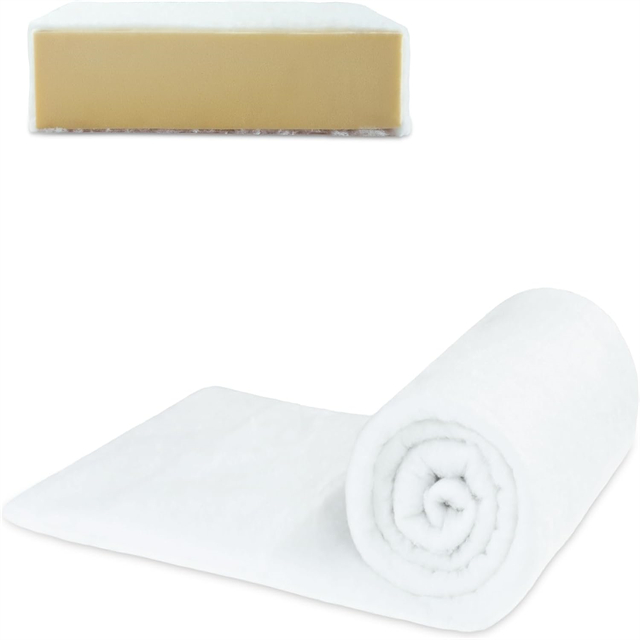
Standard 100% cotton wadding provides a low loft and excellent breathability. It is the traditional choice for heirloom projects. Post-wash, cotton shrinks slightly, creating the classic, crinkled texture associated with antique quilts. It drapes moderately well but lacks the thermal retention of animal fibers, making it better suited for mild climates or indoor use.
Wool wadding offers superior thermal regulation and moisture-wicking properties. It maintains a high loft without excessive weight, providing excellent warmth for winter outerwear. Wool naturally resists creases, allowing garments to spring back into shape. You must follow specific washing requirements—typically cold water and flat drying—to prevent the wool fibers from felting and shrinking aggressively.
Silk wadding serves as a premium apparel insulation. It highlights exceptional drape and lightweight warmth. Silk conforms beautifully to the body, making it highly suitable for luxury quilted garments where bulk is undesirable. It requires careful handling and often mandates dry cleaning or extremely gentle hand washing to maintain its structural integrity.
Synthetic options provide cost-efficiency, high loft retention, and non-shrinking properties. Polyester wadding springs back readily and holds its shape through aggressive washing. It lacks breathability. In apparel, 100% polyester insulation can trap moisture against the body, leading to overheating and discomfort during active use.
Blended Quilting Wadding, such as the popular 80/20 poly-cotton mix, offers a practical compromise. It combines the natural drape and breathability of cotton with the structural resilience and loft of polyester. This blend resists the extreme shrinkage of pure cotton while avoiding the stifling heat retention of pure polyester, making it highly versatile for both quilts and jackets.
Needle-punched scrims and resin binders play a technical role in insulation construction. A scrim is a lightweight grid of synthetic fibers punched into the wadding to provide stability and prevent stretching. Resin binders lightly glue the fibers together. Both technologies prevent fiber migration—known as bearding—where loose fibers push through the exterior fabric over time.
Comparison of Insulation Types | ||||
Insulation Type | Loft Level | Breathability | Primary Use Case | Shrinkage Risk |
|---|---|---|---|---|
100% Cotton | Low | High | Traditional flat quilts, summer apparel | Moderate (creates crinkle) |
100% Wool | High | High | Winter outerwear, thermal quilts | High (requires careful washing) |
Silk | Low | Moderate | Luxury garments, high-drape apparel | Low to Moderate |
100% Polyester | High | Low | Craft projects, budget insulation | None |
80/20 Blend | Medium | Moderate | Versatile everyday quilts and jackets | Low |
Natural fiber threads, specifically 100% cotton, shrink at the same rate as cotton fabrics. This synchronized shrinkage prevents puckering after the first wash, making cotton thread the standard for traditional quilting. It sinks beautifully into the fabric layers but lacks the tensile strength required for high-stress seams in heavy garments.
Synthetic and regenerated fiber threads, such as polyester or poly-wrapped cotton, offer superior tensile strength. This strength is essential for high-stress apparel seams and when assembling heavyweight fabrics like denim. Polyester thread resists breaking under tension and withstands chemical degradation from detergents better than natural fibers.
Matching thread weight (measured in weight or Tex) to the fabric density is necessary for balanced tension. A 50wt cotton thread is thin and blends into piecing seams without adding bulk. A heavier 40wt or 28wt thread stands out, making it ideal for visible topstitching or decorative quilting motifs. Using heavy thread on delicate fabric causes seam puckering.
Needle classification and sizing must match the fabric weight to prevent skipped stitches and fabric damage. Quilting needles have a tapered point for penetrating multiple layers. Microtex or Sharp needles feature a slender, acute point for piercing tightly woven batiks or silks. Denim needles have a reinforced blade to prevent deflection. Sizes range from 70/10 for lightweight lawns to 90/14 or 100/16 for heavy canvas.
Selecting the correct presser feet ensures precision. The walking foot, or even-feed foot, uses built-in feed dogs to pull the top layer of a multi-layer sandwich at the same rate as the bottom layer, preventing shifting. The quarter-inch foot provides an exact physical guide for accurate seam allowances. The free-motion or darning foot hovers above the fabric, allowing you to move the project in any direction for structural stitching.
Precision cutting hardware is non-negotiable for maintaining accurate seam allowances. Rotary cutters, self-healing mats, and thick acrylic rulers allow for exact, repeatable cuts. Blade metallurgy matters. Tungsten carbide or titanium-coated blades maintain their edge longer, reducing the physical strain of cutting through multiple layers and preventing ragged fabric edges.
Glass head pins offer a distinct technical advantage over plastic pins in high-heat pressing environments. During apparel construction, you often press seams open while they are pinned. Plastic pin heads will melt upon contact with a hot iron, ruining the fabric and the iron plate. Glass heads withstand high temperatures without degrading.
Install a fresh needle sized appropriately for the combined thickness of your fabric and insulation.
Thread the machine with a high-tensile polyester or poly-wrapped cotton thread for apparel seams.
Attach a walking foot to ensure even feeding of all layers.
Test stitch length and tension on a scrap sandwich before beginning the final assembly.
Investing in premium, long-staple cottons and high-grade insulation yields a long-term return on investment through durability. Cheaper synthetic alternatives provide immediate cost savings but often degrade, pill, or lose their structural integrity after a few dozen wash cycles. High-quality materials ensure the finished piece survives decades of use rather than just a few seasons.
Apparel construction requires a conceptual trade-off between aesthetics and functionality. Heavily quilted, rigid designs create a high aesthetic impact and showcase complex stitching patterns. Wearable garments necessitate mobility and comfort. Over-quilting a jacket makes it stiff and unwearable. You must balance the density of the quilting lines with the required flexibility of the garment.
Material choices directly impact bulk manufacturing and scalability for production. Highly variable materials, such as vintage tops or loosely woven linens, reduce automated production efficiency. They require manual intervention, stabilization, and slower processing speeds. Uniform, predictable textiles like standard apparel cottons and synthetic blends allow for faster cutting and assembly in a production environment.
Differential shrinkage occurs when combining materials with different shrinkage rates, such as a cotton shell with polyester insulation. This mismatch causes severe puckering and distortion after the first wash. You must implement mandatory pre-washing and blocking protocols for all natural fibers before cutting to ensure all components have finished shrinking before assembly.
Fiber migration, or bearding, happens when insulation fibers migrate through the exterior quilt top, leaving a fuzzy residue on the surface. This is caused by using low-quality insulation without a scrim, or by using a needle that punches holes too large for the fabric weave. Mitigate this by selecting insulation with a stabilizing scrim and matching your needle size strictly to the fabric density.
Quilting dense materials introduces mechanical risks like needle breakage and tension issues. Pushing a standard needle through denim and wool insulation will cause the needle to deflect and snap. Specify the use of Microtex or Denim needles for heavy assemblies. Outline tension calibration procedures, testing stitch balance on a scrap sandwich of the exact same materials before sewing the final project.
Color bleeding, or crocking, poses a severe risk when using highly saturated fabrics like batiks, dark denims, or hand-dyed cottons. Dye transfer can ruin a project instantly upon washing. Implement color catchers and synthetic scouring agents during initial pre-washes to strip excess unbonded dye from the fibers before they ever touch lighter contrasting fabrics.
Pre-wash all natural fabrics in hot water to force maximum shrinkage.
Include color catchers in the wash cycle to monitor and trap loose dyes.
Press fabrics flat and square them up on a cutting mat to correct any grain distortion.
Construct a test block using the exact fabric, insulation, and thread combination to verify tension settings.
Define your project's primary function to establish baseline requirements for drape, thermal retention, and abrasion resistance.
Select fabrics and insulation that share compatible washing requirements to prevent differential shrinkage and structural distortion.
Match your needle size and thread composition to the density of your chosen materials to ensure balanced tension and prevent seam failure.
Conduct physical wash and drape tests on small mock-ups before committing to bulk material purchases or beginning complex garment construction.
A: Quilter's weight cotton is a medium-weight, tightly woven fabric designed for structural stability and crisp pressing in flat patchwork. Apparel cottons, like lawn or voile, are lighter, looser, and prioritize drape and breathability for comfortable garment wear.
A: Silk and bamboo blends provide the best drape for garments. They are lightweight, conform easily to body movement, and avoid the stiff, boxy appearance often caused by dense cotton or heavy polyester insulation.
A: Yes, pre-washing is highly recommended for apparel to prevent differential shrinkage and color bleeding. It removes sizing chemicals and ensures the fabric has completed its initial shrinkage before you cut and sew the pieces together.
A: Polyester or poly-wrapped cotton thread is the most durable for garments. It provides the high tensile strength needed to withstand the stress and friction of body movement and repeated washing without snapping.
A: Prevent bearding by using high-quality insulation manufactured with a scrim or resin binder. Additionally, use a smaller, sharper needle (like a Microtex) to avoid punching excessively large holes in the exterior fabric weave.
A: You can, but it requires adjustments. Synthetic fabrics often resist creasing, making it difficult to press seams flat. They also melt under high iron heat, requiring lower temperature settings and careful handling during piecing.
A: Denim or specialized Quilting needles in sizes 90/14 or 100/16 are best for thick layers. They feature reinforced shafts that resist deflection and sharp points designed to penetrate multiple layers of dense fabric and insulation cleanly.


