
Views: 0 Author: Site Editor Publish Time: 2026-02-17 Origin: Site


Fire barriers are essential for protecting lives and property during a fire. They help contain flames and smoke, providing vital time for evacuation and emergency response. Choosing the right materials for fire barriers is crucial for effective protection.
In this article, we will explore various fire barrier materials and their roles in fire safety. You'll learn about options from trusted manufacturers like Yuexin, ensuring high performance and reliability.
A fire barrier is a passive safety feature designed to resist the spread of fire and smoke. Unlike active systems, such as sprinklers, fire barriers automatically protect the building as soon as a fire begins.
The main difference between fire barriers and firewalls is their function. Fire barriers are used to compartmentalize specific areas within a building, while firewalls are stronger and separate entire sections.
Here’s a simple comparison:
Feature | Fire Barrier | Firewall |
Function | Compartmentalizes specific areas | Separates entire building sections |
Extent | Doesn’t always extend from foundation to roof | Extends from foundation to roof |
Strength | Flexible, used for targeted areas | Rigid, designed for larger divisions |
Activation | Works passively as soon as fire starts | Also passive, designed for complete separation |
Both fire barriers and firewalls play critical roles in fire safety, but they serve different functions based on building design and fire protection needs.
Fire barriers are designed to slow the spread of flames, heat, and smoke, providing vital time for evacuation and firefighting. They accomplish this by using materials that resist combustion or absorb heat, preventing it from reaching other areas of the building.
For example, materials like gypsum board release steam when exposed to heat, slowing the fire's progress. Concrete, due to its high thermal mass, absorbs heat and reduces the speed at which the fire spreads. The effectiveness of fire barriers lies in their ability to delay fire penetration, giving enough time for escape and reducing the overall damage.
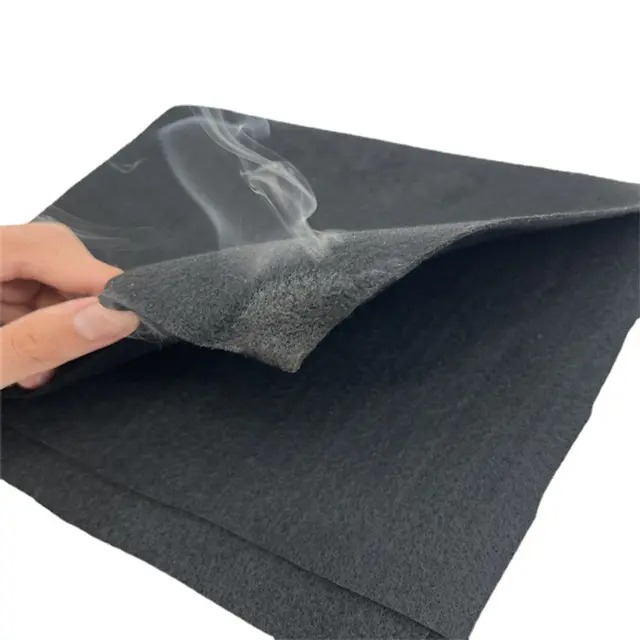
Gypsum board is one of the most commonly used materials for fire barriers. It is widely used in residential and commercial buildings due to its affordability, ease of installation, and fire-resistant properties. Gypsum board works by releasing water vapor when exposed to fire, which helps slow the spread of flames. It is often used in ceilings and walls as an essential part of a building’s passive fire protection system.
Advantages of Gypsum Board:
● Affordable and widely available
● Effective at slowing fire spread through water vapor release
● Easy to install, making it ideal for most construction projects
Concrete is an incredibly durable material known for its non-combustible nature. It acts as a thermal mass, meaning it absorbs heat, preventing flames from spreading quickly. Masonry materials, such as brick and stone, also offer similar benefits, providing strong, non-combustible barriers in both residential and commercial construction.
Concrete's high thermal mass makes it ideal for large structures. However, its weight can be a limiting factor in some building designs. It’s crucial to balance fire protection with structural considerations.
Calcium silicate boards are a standout in fire protection due to their exceptional thermal stability. These boards are 100% asbestos-free and can withstand extremely high temperatures without breaking down. They are often used in wall or ceiling assemblies, particularly in industrial and commercial buildings.
Material | Advantage | Common Use |
Gypsum Board | Affordable, easy to install, fire-resistant | Ceilings, walls in residential/commercial buildings |
Concrete | High thermal mass, non-combustible | Large structures, foundations |
Calcium Silicate Boards | Exceptional heat resistance, asbestos-free | Industrial and commercial buildings |
Each of these materials is integral to creating an effective fire barrier system, with unique properties that address specific needs in fire protection. Products from Yuexin offer high performance, making them a trusted option for protecting vital areas in a building, such as server rooms or storage spaces.
Steel is widely used in modern construction but is vulnerable to fire. Intumescent coatings provide a protective layer by expanding when exposed to heat. This expansion forms a thick, insulating char layer that shields the steel from direct flames, preventing structural failure during a fire.
These coatings are commonly used on structural steel beams, columns, and other metal elements exposed to fire.
While glass is not typically associated with fire protection, fire-resistant glass has made significant advancements in recent years. This type of glass can withstand high temperatures without shattering, offering a combination of safety and aesthetics. Fire-resistant glass is used in partitions, windows, and doors to allow natural light while providing fire protection.
Advantages of Fire-Resistant Glass:
● Allows natural light while preventing fire spread
● Maintains integrity under high temperatures
● Ideal for modern building designs where both safety and aesthetic appeal are important
Fire curtains are flexible, deployable barriers that can be used in open spaces, corridors, and between rooms. When deployed, they prevent fire from spreading and help compartmentalize areas. Fire-rated doors, like fire-resistant glass, combine safety and aesthetics, providing secure access points without compromising on fire protection.
These specialized systems are ideal for areas where rigid walls are not feasible, such as in open-plan spaces or between units in multi-family buildings.
Mineral wool and fiberglass are excellent insulating materials used in fire barriers. These materials have heat-resistant properties that help slow down the spread of fire while also improving energy efficiency. They are commonly used in ceilings and wall cavities for concealed fire protection.
Mineral wool and fiberglass are often used in conjunction with other materials, like gypsum board, to create a multi-layer fire barrier system that offers enhanced protection.
Firestop mortar and fire putty are used to seal gaps and penetrations in fire barrier systems, such as those around pipes, cables, and ducts. These materials expand when exposed to heat, filling gaps and preventing fire from spreading through openings.
Material | Advantage | Common Use |
Mineral Wool & Fiberglass | Heat-resistant, energy-efficient | Ceilings, wall cavities |
Firestop Mortar & Fire Putty | Expands under heat to seal gaps | Around pipes, cables, and ducts |
These materials work together to provide additional layers of protection, ensuring fire doesn’t spread through concealed spaces or small openings.
Rockwool fire barrier slabs are highly effective in providing both thermal insulation and fire protection. Made from volcanic rock, these slabs can withstand extremely high temperatures and are non-combustible. They are commonly used in industrial settings, where fire protection is critical.
Rockwool's eco-friendly and non-toxic properties make it a preferred option for building professionals focused on sustainability while maintaining safety standards.
Promat fire barrier boards are designed for long-term fire resistance, offering a versatile solution for both commercial and industrial applications. These boards are made of inorganic materials that provide excellent fire resistance and durability.
Product | Advantage | Common Use |
Rockwool Fire Barriers | Non-combustible, heat-resistant, eco-friendly | Industrial settings |
Promat Fire Barrier Boards | Long-term fire resistance, durable, made from inorganic materials | Commercial and industrial applications |
Both products are ideal for environments where fire protection and safety are paramount, combining performance with eco-conscious benefits. Yuexin also supplies fire barriers that meet stringent industry standards, ensuring reliable and durable protection for various applications.
Fire barriers and firewalls are both essential for fire protection, but they differ in several ways. Firewalls typically have a higher fire-resistance rating and are used to divide entire sections of a building. Fire barriers, on the other hand, are more versatile and can protect specific elements like ducts, cables, or open spaces within a building.
Choosing between a fire barrier and a firewall depends on the building design and specific fire protection needs. Firewalls are often necessary for large structures, while fire barriers provide flexibility in smaller spaces.
Feature | Fire Barriers | Firewalls |
Fire Resistance | Varies (typically 1-2 hours) | Typically 2-4 hours |
Function | Protects specific sections | Separates entire building areas |
Construction | Can be part of ceilings, walls | Standalone, from foundation to roof |
Flexibility | More flexible, targeted areas | Rigid and continuous |
Tip: For optimal safety, always ensure that fire barriers are installed by trained professionals who understand fire safety standards and the specific needs of your building.
Choosing the right materials for fire barriers is essential for building safety. Options like gypsum board, fire-resistant glass, and advanced systems offer varying benefits for protection. By understanding each material's strengths, you can ensure optimal safety for your building and its occupants.
Dongguan Yuexin Industrial Co., Ltd. provides high-quality fire barrier solutions that meet strict safety standards. Their products offer reliable protection and peace of mind for building owners and safety managers alike. Always consult with a fire safety expert to ensure compliance with regulations.
A: A fire barrier is a building element designed to prevent the spread of fire and smoke. It works passively, containing the fire to a specific area, and is typically made of fire-resistant materials like gypsum board, concrete, or calcium silicate boards.
A: Fire barriers are essential for containing fires, protecting lives, and limiting damage. They allow time for people to evacuate and help emergency responders control the situation. Proper fire barriers are crucial for meeting safety regulations and building standards.
A: Common materials used in fire barriers include gypsum board, concrete, masonry, calcium silicate boards, fire-resistant glass, and intumescent coatings. These materials vary in terms of heat resistance, durability, and cost, offering different levels of protection.
A: Fire barriers slow the spread of flames by using materials that resist heat, release water vapor, or absorb heat. They help to compartmentalize a building, containing the fire and preventing it from spreading to other areas.
A: Choosing the right fire barrier depends on the building’s design, the level of fire protection needed, and local building codes. It's important to consult with a fire safety expert to assess your specific needs and ensure compliance with regulations.
A: Yes, fire-resistant glass can be used as part of a fire barrier system. It maintains its integrity under high heat and allows for natural light, making it ideal for modern building designs where both safety and aesthetics are important.


